
· By Faan Perfumes
What is an accord? Reading the accords on each FAAN page
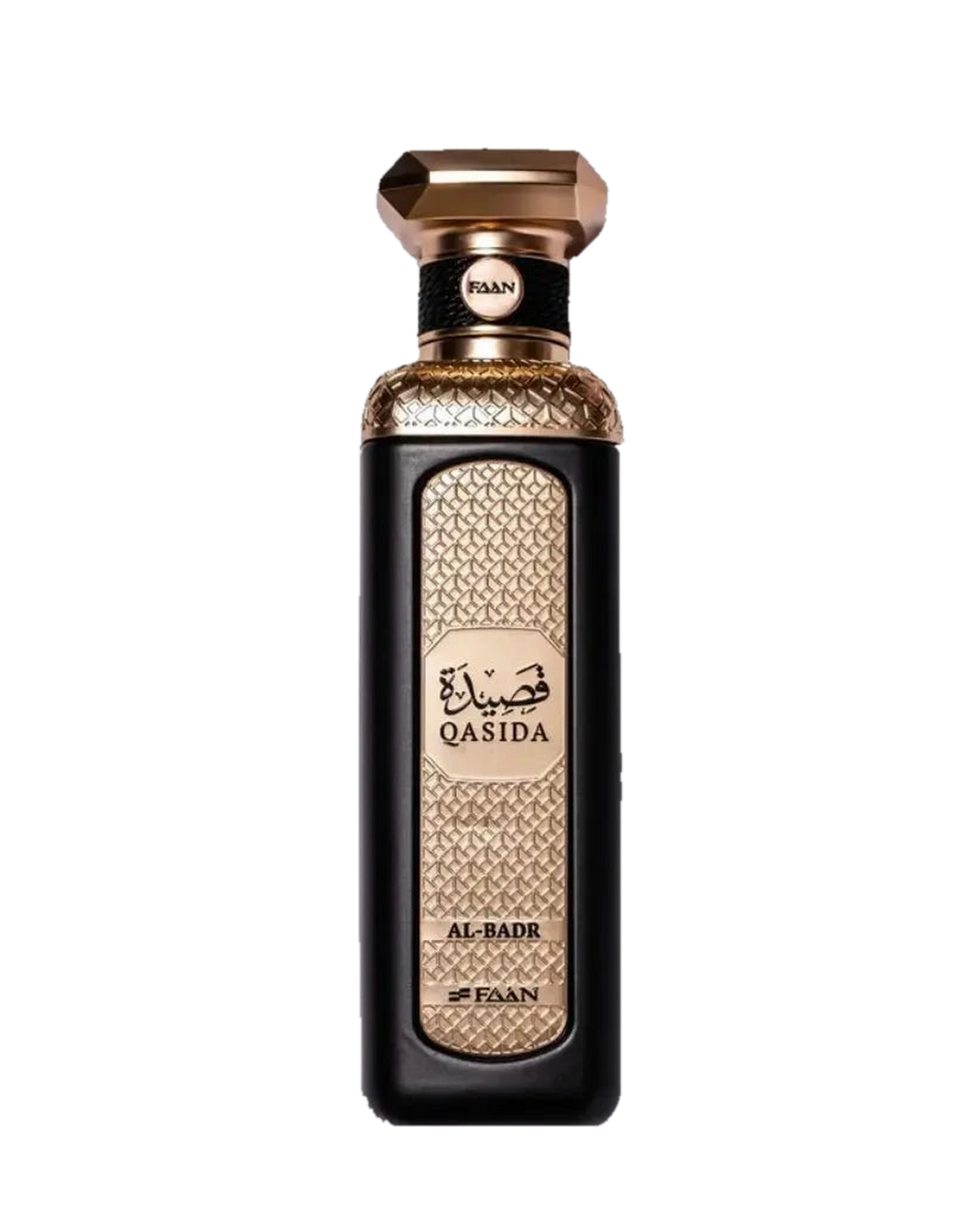
Quick answer: Perfume accords explained: an accord is a blend of notes that your nose reads as one idea, such as woody, spicy or gourmand. Notes are single ingredients. Every FAAN page lists four accords, except Qasida Al-Badr, which lists three, and together they tell you the mood faster than the pyramid does.
The accord line is the short list on each product page that reads like "Gourmand, Vanilla, Spicy, Woody". It is easy to skip. It is also the quickest way to tell whether you will like a bottle.
Accord versus note
A note is a single smell in the pyramid: bergamot, cardamom, vetiver, vanilla. An accord is what several of them become when they are blended: woody, aromatic, creamy, musky. Think of notes as ingredients and accords as the dish. Several notes can make one accord, and one note can feed several accords.
You can read about notes themselves in top, heart and base notes explained. An accord is the same perfume read from further away.
Where accords come from
Perfumers build accords on purpose. A praline accord, for example, is not one raw material but a blend that smells like caramelised nuts. The accord line on our pages is a short summary of the character of each bottle. It is not a legal label and there is no fixed list, so two houses may name similar blends differently. Treat it as a map, not a measurement.
How to read the accord list
Accords are listed from the most dominant to the least. The first word is the strongest impression, the last the faintest. That order matters.
Across the thirteen FAAN bottles that list accords, these appear most:
| Accord | Bottles |
|---|---|
| Woody | 9 |
| Spicy | 6 |
| Amber | 6 |
| Resinous | 5 |
| Floral, Fruity, Musky | 4 each |
| Vanilla | 3 |
| Gourmand, Aromatic, Leather | 2 each |
Woody is the backbone of the range. Gourmand is rare. Fresh and citrus appear only in Amjad Coral.
Example: Signature versus Al-Badr
Qasida Signature lists gourmand, vanilla, spicy and woody. The first two words promise sweetness, and the notes deliver it: praline, almond, coconut and vanilla. Qasida Al-Badr lists aromatic, spicy and woody, with no sweet accord at all, and the notes confirm it: nutmeg, sage, iris, cedarwood and vetiver. Two bottles from the same line, and two moods you can read from the first word.
How accords predict mood
- Gourmand, vanilla: sweet, edible, cosy.
- Woody, aromatic: dry, clean, calm.
- Amber, resinous: warm, deep, glowing. Amjad Honour lists amber, woody, spicy and resinous.
- Floral, fruity: soft and bright.
- Fresh, citrus: light and quick.
- Musky, creamy: close to the skin.
If you like the first two words, you will usually like the bottle. If a word makes you hesitate, check the notes for it. The notes map of the FAAN range and the perfume families guide are good next reads, and the full range shows every accord line.
A practical habit: pick the two accords you like most, such as woody and aromatic or floral and musky, and filter the range by them. In this range that gives you Qasida Al-Badr for the first pair, and Qasida Purity for the second. Then read the notes of those bottles to see the detail. The accord list is where you start, not where you stop.
FAQ
How is an accord different from a note?
No. A note is one ingredient. An accord is the impression created by several notes together.
Why does Qasida Al-Badr list only three accords?
Its product page lists aromatic, spicy and woody. Every other bottle with accord data lists four.
Which accord is most common in the FAAN range?
Woody, on nine of the thirteen bottles that list accords.
Related reading
Journal
From the journal
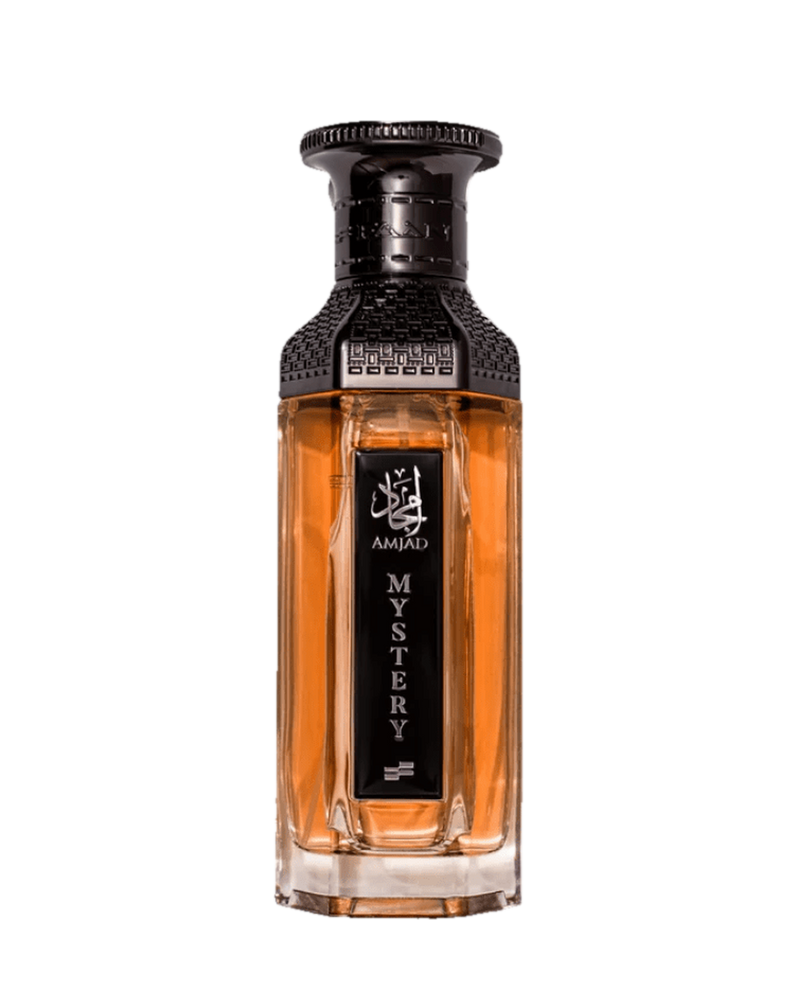
FAAN Amjad Mystery vs FAAN Qasida Bidaya: which FAAN perfume should you buy?
Two FAAN Extraits with the same ratings and a 10 euro price gap. The choice is mostly about smell: hazelnut and rose, or saffron, resin and leather.
Read article →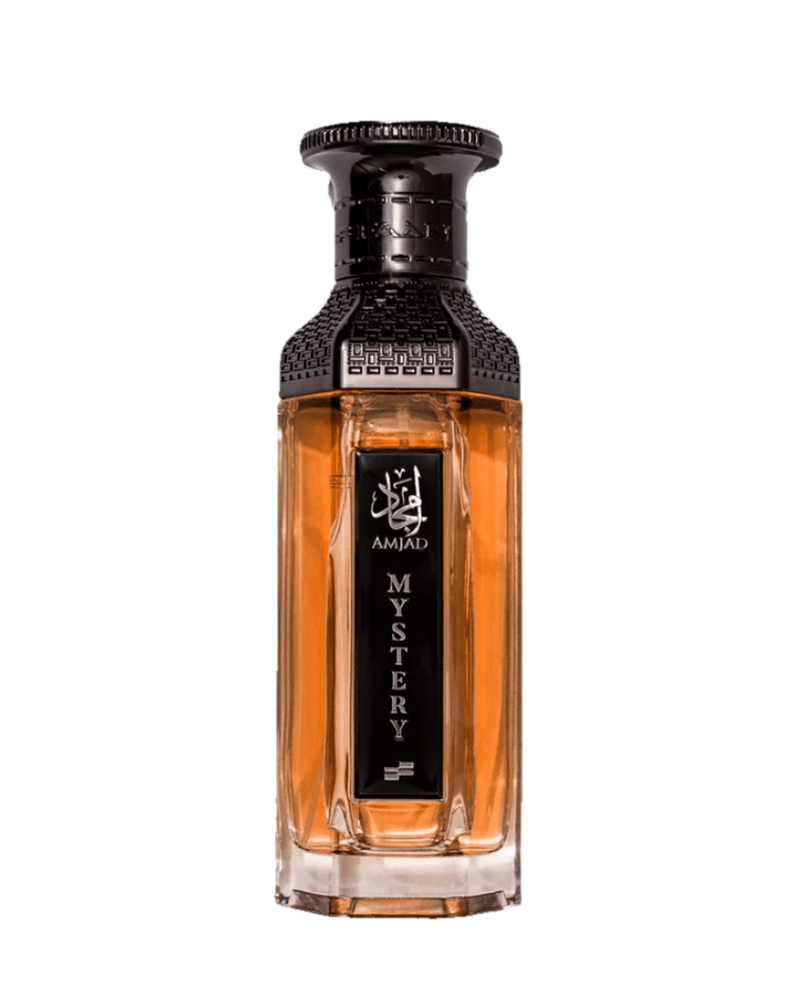
FAAN Amjad Mystery vs FAAN Qasida Queen: which FAAN perfume should you buy?
A head-to-head of two sweet autumn and winter FAAN bottles: nutty Amjad Mystery at €54.99 and cherry-coffee Qasida Queen at €51.99.
Read article →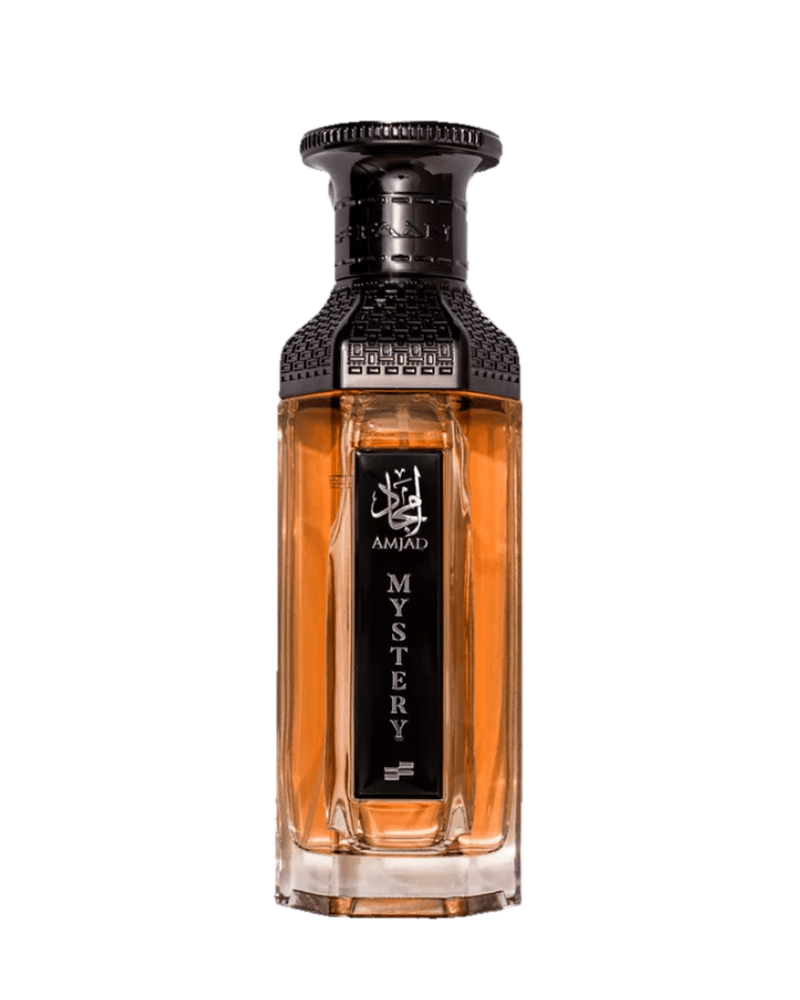
FAAN Amjad Mystery, inspired by Amouage Guidance: what it is on its own
Amjad Mystery is inspired by Amouage Guidance. This page describes the FAAN Extrait on its own terms and does not claim the two smell alike.
Read article →