
· By Faan Perfumes
How long does FAAN Qasida Al-Badr last? Honest wearing time and how to stretch it
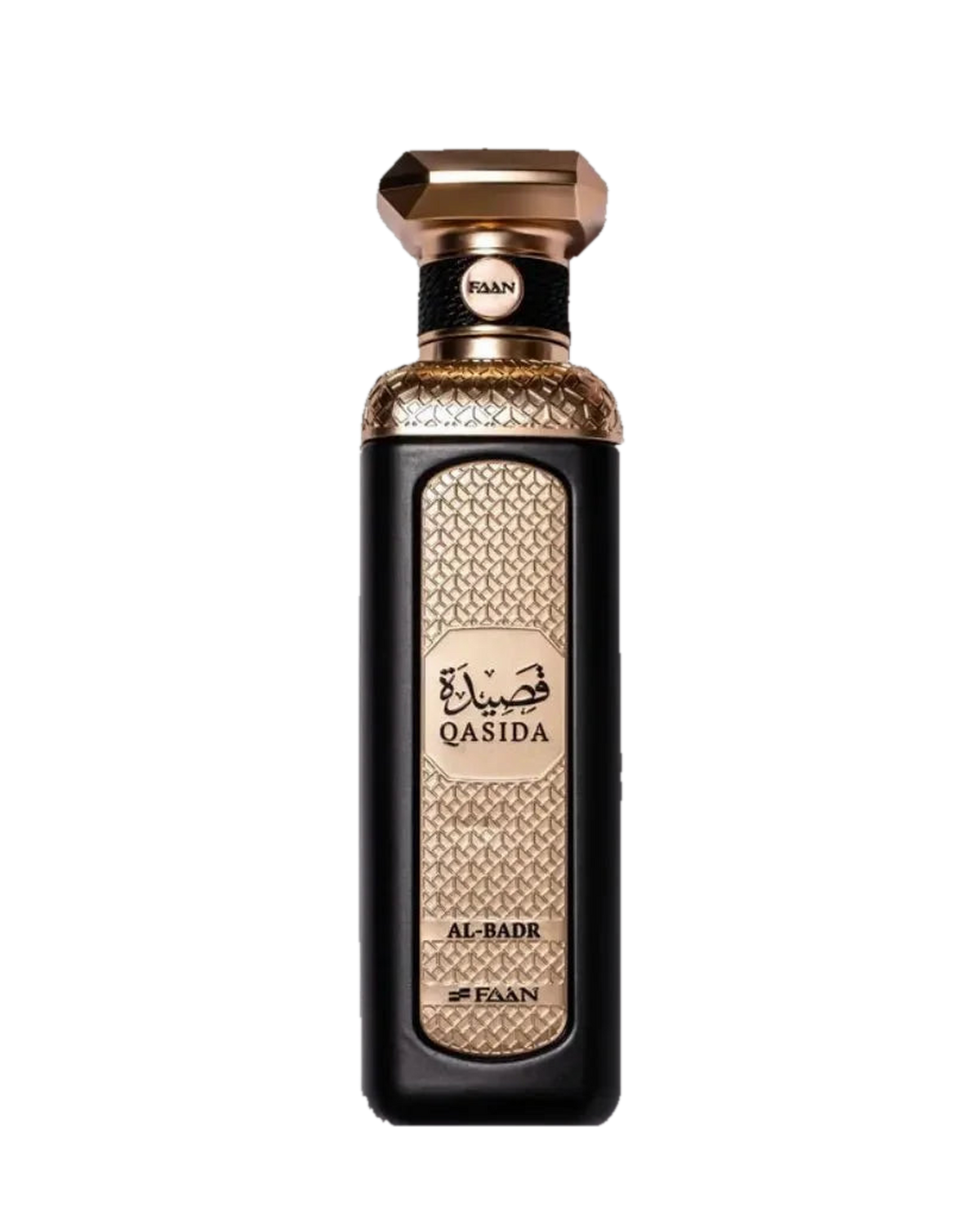
Quick answer: How long does FAAN Qasida Al-Badr last? Longevity is rated 3 out of 5 and projection 3 out of 5, so plan on a typical 4 to 6 hours on skin for this Eau de Parfum. It is a quiet scent built for the office, and it is easy to top up during the day.
FAAN Qasida Al-Badr is one of the lighter-lasting bottles in the Qasida line, and we would rather tell you that now than have you find out at three o'clock. The hour ranges below are typical for the concentration, not measurements.
The ratings: longevity 3/5, projection 3/5
| Rating | Al-Badr | What it means |
|---|---|---|
| Longevity | 3 of 5 | Clear for the first few hours, then soft |
| Projection | 3 of 5 | Noticed by people close to you |
| Concentration | Eau de Parfum | Typically 4 to 8 hours |
| Listed for | Daily wear, office | Autumn, winter and spring |
For comparison, Amjad Honour is rated 5 for longevity. Al-Badr sits two steps below it, and that is the trade for a scent that never feels heavy.
What in the pyramid holds it on skin
Al-Badr opens with bergamot, nutmeg and cardamom. These are dry, spicy and short-lived, gone in about half an hour.
The heart is iris, sage and cedarwood. Iris gives the powdery feel that the product page describes as calm spice, powdery and dry. Cedarwood keeps the middle firm.
The base is vetiver, tonka, vanilla and patchouli. This is where the staying power lives, but this base is dry and light in weight compared with praline or resin. Vetiver and patchouli stay on skin, yet they do not grip as hard as the heavy sweet bases of other bottles.
Realistic wearing time: skin versus clothes
On skin, expect the lower-middle of the typical Eau de Parfum range: about 4 to 6 hours, with the base still faintly there after that. On a cotton shirt or a wool jacket it will often last into the evening, because fabric does not warm up and release scent as quickly as skin does.
So the easy fix for this bottle is simple: do not rely on skin alone.
Weather, skin type and sprays: what changes
- Cold days: the scent stays close and lasts longer. Autumn and winter are listed seasons.
- Warm days: the cedarwood and iris open up, but the whole thing fades sooner.
- Dry skin: you may only get three hours. Moisturise first.
- More sprays: two or three sprays at the start is fine for this bottle. It is not a loud scent, so you will not overdo it.
Five ways to stretch it
- Spray once on skin and twice on clothing, for example the lining of a jacket or the collar of a shirt.
- Put an unscented moisturiser on your neck and chest first, so the vetiver has something to hold on to.
- Spray after a shower, when your skin is warm and slightly damp, not right before you go out the door.
- Fill a small atomiser for your bag. Our guide to decanting a 200 ml bottle explains how.
- Store the 200 ml bottle upright, with the cap on, in a cool cupboard.
When and where to reapply
Around midday, one spray on the chest, not the wrists. By then the opening has gone and you will smell the iris and cedarwood again, which is the best part. Reapplying in the early afternoon beats spraying more in the morning, because the top notes you would be adding are the ones that vanish first.
If you want something that lasts a full evening without topping up, look at the Amjad line or at Qasida Dunes, both rated higher. Our guide to choosing a FAAN perfume lists them by strength, and the full range is one click away.
FAQ
Is Qasida Al-Badr weak?
It is moderate, not weak. Projection 3 out of 5 means people near you notice it, and it is built to be soft on purpose. If you want volume, pick a bottle rated 4.
Is it good for the office?
Yes, it is listed for daily wear and the office. One or two sprays are plenty, and the scent is dry and powdery rather than sweet.
What if it is sold out?
Use the notify option on the product page. Once you order, delivery takes 3 to 6 working days in the Netherlands and 5 to 8 working days in the rest of the EU.
Related reading
Journal
From the journal
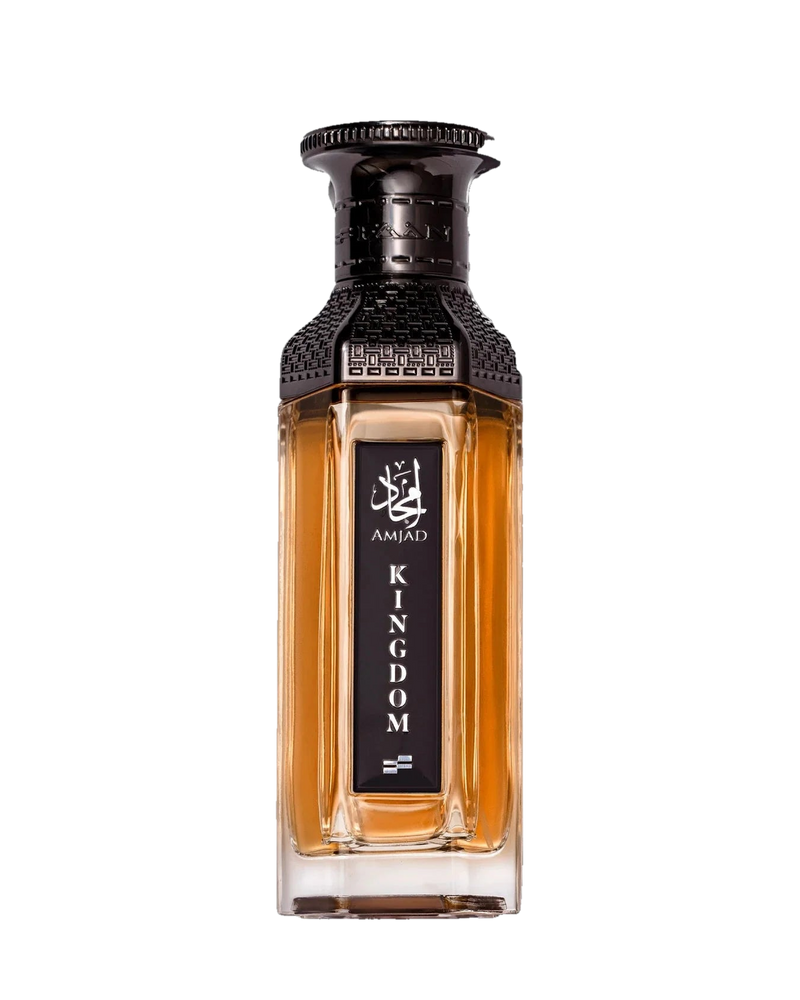
FAAN Amjad Kingdom vs FAAN Amjad Mystery: which FAAN perfume should you buy?
Amjad Kingdom is a dense, long-lasting violet and resin Extrait. Amjad Mystery is a lighter, nutty, rosy one. Notes, strength and price side by side.
Read article →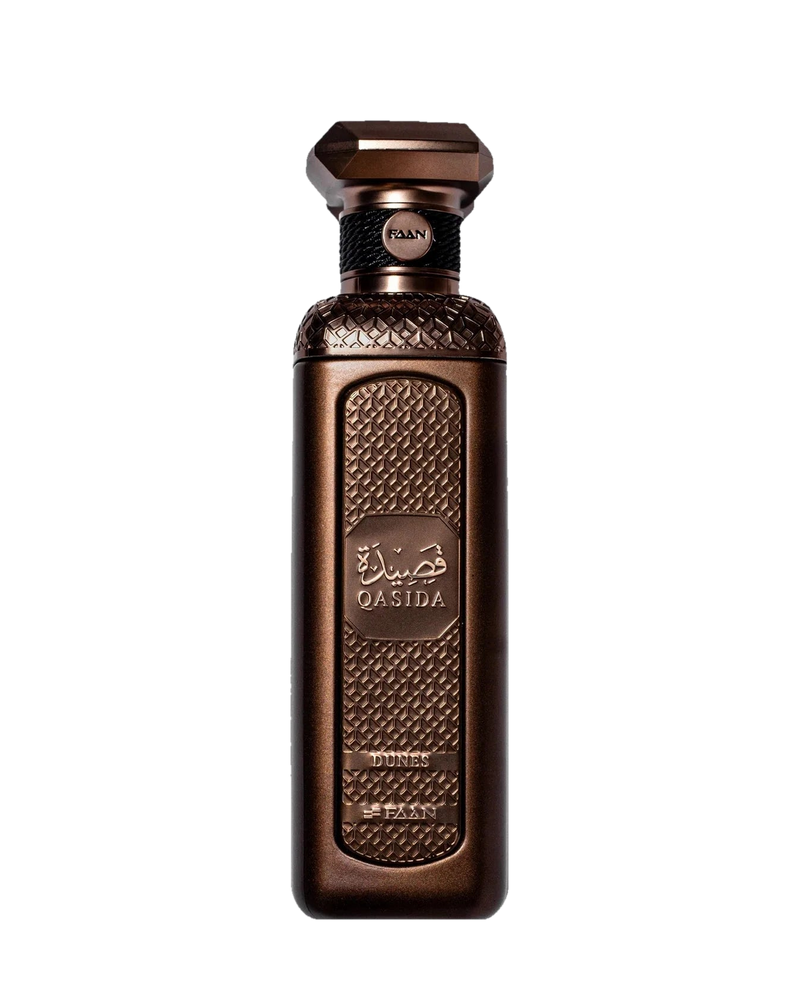
FAAN Qasida Dunes review: notes, strength and when to wear it
A plain description of Qasida Dunes built from its notes and ratings: a dry, peppery, leathery Eau de Parfum rated 4 for both projection and longev...
Read article →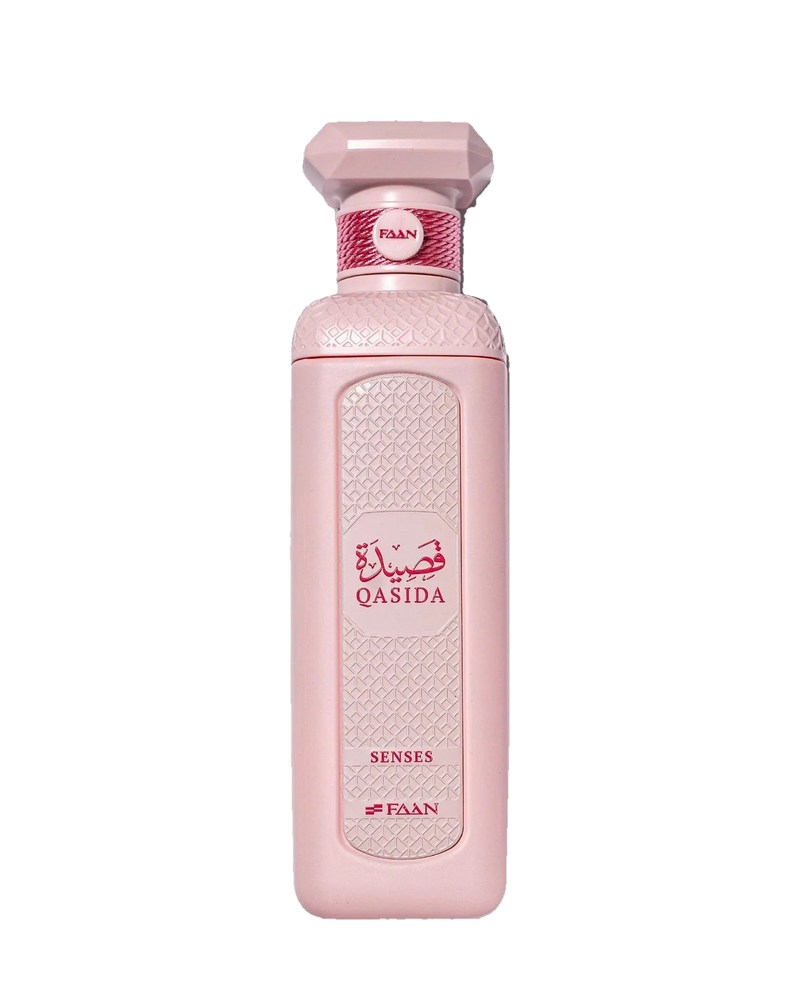
FAAN Qasida Senses review: notes, strength and when to wear it
A plain description of Qasida Senses built from its notes and ratings: a fruity-floral Eau de Parfum for her, listed for spring and summer.
Read article →