
· By Faan Perfumes
Perfume concentration percentages: what 15 and 25 percent mean in practice
Quick answer: Perfume concentration percentages are rough ranges, not exact rules: Eau de Parfum is usually 15 to 20 percent fragrance oil, and Extrait de Parfum often 20 to 30 percent or more. More oil usually means longer wear and fewer sprays. Labels are not tightly regulated, so treat the numbers as guides, and judge a bottle by its notes and ratings.
Every perfume is oil mixed into alcohol, and the percentage of oil is what the names Eau de Toilette, Eau de Parfum and Extrait stand for. The names are useful. The numbers are less precise than they look.
The usual ranges
These are general industry ranges, and different sources give slightly different figures:
| Type | Typical oil content |
|---|---|
| Eau de Cologne | about 2 to 5 percent |
| Eau de Toilette | about 5 to 15 percent |
| Eau de Parfum | about 15 to 20 percent |
| Extrait de Parfum | about 20 to 30 percent or more |
The ranges overlap. A rich Eau de Parfum can hold more oil than a light Extrait.
Why labels vary
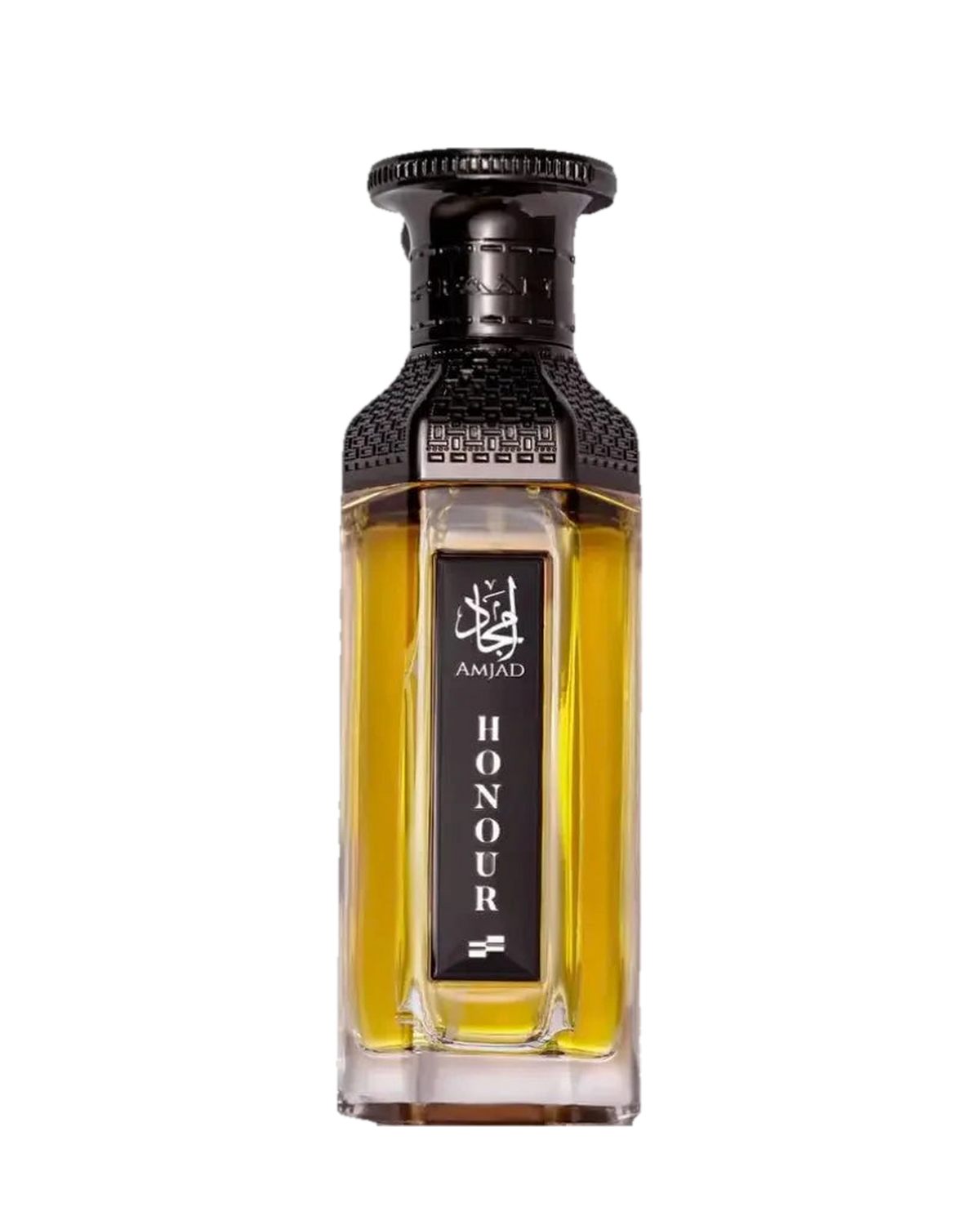
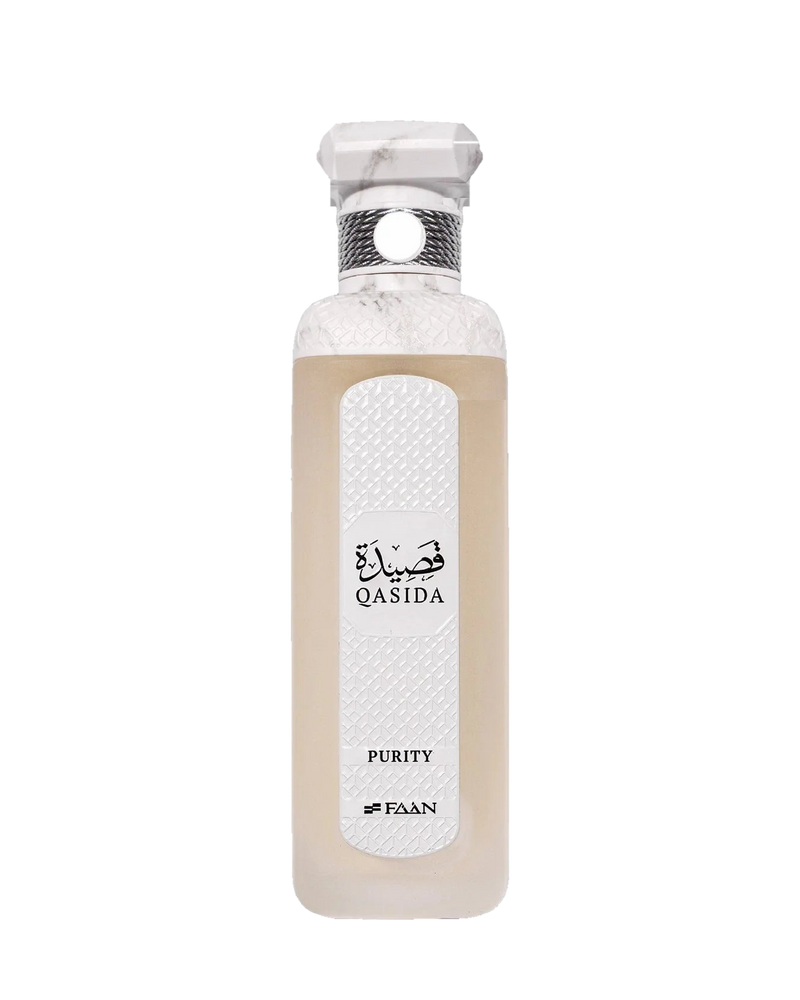
There is no single legal definition of Eau de Parfum or Extrait that every house must follow. Brands pick the name and the strength, and different ones read the same words differently. In addition, a brand may not publish the exact figure. FAAN product pages list the type, for example Extrait de Parfum for Amjad Honour and Eau de Parfum for Qasida Signature, but not an exact percentage. So treat the type as a rough indicator.
Effect on wear time
More oil usually means a scent sits closer to the skin, lasts longer, and needs fewer sprays. That fits our product ratings: the Amjad Extraits include both bottles rated 5 out of 5 for longevity. But it is not a rule. An Eau de Parfum with a strong resin base, such as Qasida Dunes at 4 out of 5, can outlast a light Extrait such as Amjad Coral at 3 out of 5. The notes matter as much as the oil, which we discuss in why some perfumes last longer than others.
Effect on price
Oil is the costly part of a perfume, so more oil tends to raise the cost to make. But price also reflects brand, packaging, volume and the ingredients used. In this range price does not simply follow the concentration. Honour, an Extrait, costs 44.99 euros for 200 ml. Signature, an Eau de Parfum, costs 54.99. Kingdom, an Extrait, costs 54.99, level with two Eau de Parfum bottles. So do not assume that Extrait always costs more. Compare price per ml in price per ml across the FAAN range.
How to use the numbers
- Treat "Extrait" as a hint that you need fewer sprays: two instead of three.
- Treat "Eau de Parfum" as a standard strength that you can spray in three places.
- Ignore small differences in percentage. The difference between 18 and 22 percent is hard to notice.
- Check the ratings and notes on the product page, which tell you more about how a bottle wears than a percentage does.
For the full difference between types, see attar versus Eau de Parfum versus Extrait and what is Extrait de Parfum. The full range lists the type on every bottle.
A worked example makes the numbers concrete. A 200 ml bottle at 18 percent contains about 36 ml of fragrance concentrate and the rest is mostly alcohol. At 25 percent it would be about 50 ml. In both cases you are still spraying a thin film onto your skin, so the more useful question is how many sprays you need, not how many millilitres sit in the bottle.
FAQ
What percentage is Eau de Parfum?
Usually around 15 to 20 percent fragrance oil, as a general industry range.
Is Extrait always stronger than Eau de Parfum?
It usually holds more oil, but the notes and the base matter too.
Do FAAN pages show an exact percentage?
No. They show the type, such as Extrait de Parfum or Eau de Parfum, and ratings for projection and longevity.
Related reading
Journal
From the journal
How to describe a smell: a perfume vocabulary that actually helps
Smell is hard to put into words. Twelve plain words, each with a FAAN example, plus a simple template for your own scent notes.
Read article →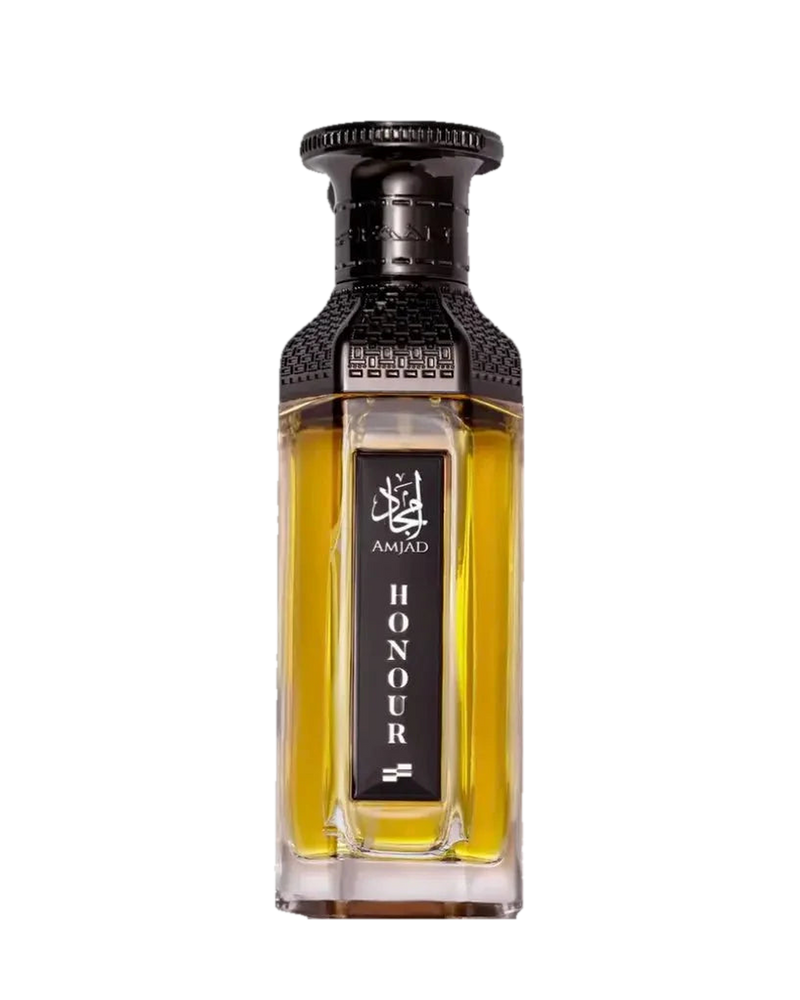
Perfume concentration percentages: what 15 and 25 percent mean in practice
Eau de Parfum is usually around 15 to 20 percent oil and Extrait 20 to 30 or more. We explain why the numbers vary and what they change in practice.
Read article →
How to tell if a perfume has gone off, and how to keep it fresh
Perfume ages slowly. Here are the signs it has turned, how long a bottle usually lasts, what shortens it, and how to look after a 200 ml bottle.
Read article →