
· By Faan Perfumes
How to describe a smell: a perfume vocabulary that actually helps
Quick answer: A useful perfume vocabulary is small. Twelve words, such as powdery, creamy, resinous, smoky and gourmand, cover most of what you will ever want to say about a scent, and each has an everyday reference. Learn them, add one FAAN example for each, and you can describe a perfume well enough to shop with.
Most of us have almost no words for smell, so we say "nice" or "strong". That is why people hold up a bottle and say it smells like "something". A short vocabulary changes that.
Why smell is hard to describe
Smell is tied to memory more than to language. We name most smells by comparison: this smells like lemon, that smells like a church. Perfumers borrow the same trick and use words from food, fabric, rooms and weather. The aim is not to be technical. It is to be specific enough that another person can imagine it.
Twelve words and what they mean
1. Powdery. Like face powder or soft chalk. Iris is powdery. 2. Creamy. Smooth and milky, like coconut milk or sandalwood. 3. Resinous. Sticky, balsamic, like tree sap or incense. Frankincense and benzoin. 4. Smoky. Like a recently blown-out candle or a campfire. 5. Gourmand. Edible, like pastry, praline or vanilla. 6. Aromatic. Herbal, like sage or lavender. 7. Musky. Soft, clean skin, like a warm cotton jumper. 8. Leathery. Dry, slightly animal, like a new jacket. 9. Woody. Pencil shavings, cedar, sandalwood. 10. Green. Cut stems and leaves. 11. Dry-down. What the scent becomes after a few hours. 12. Sillage. The trail it leaves in the air. See sillage and projection explained.
Examples from FAAN pyramids
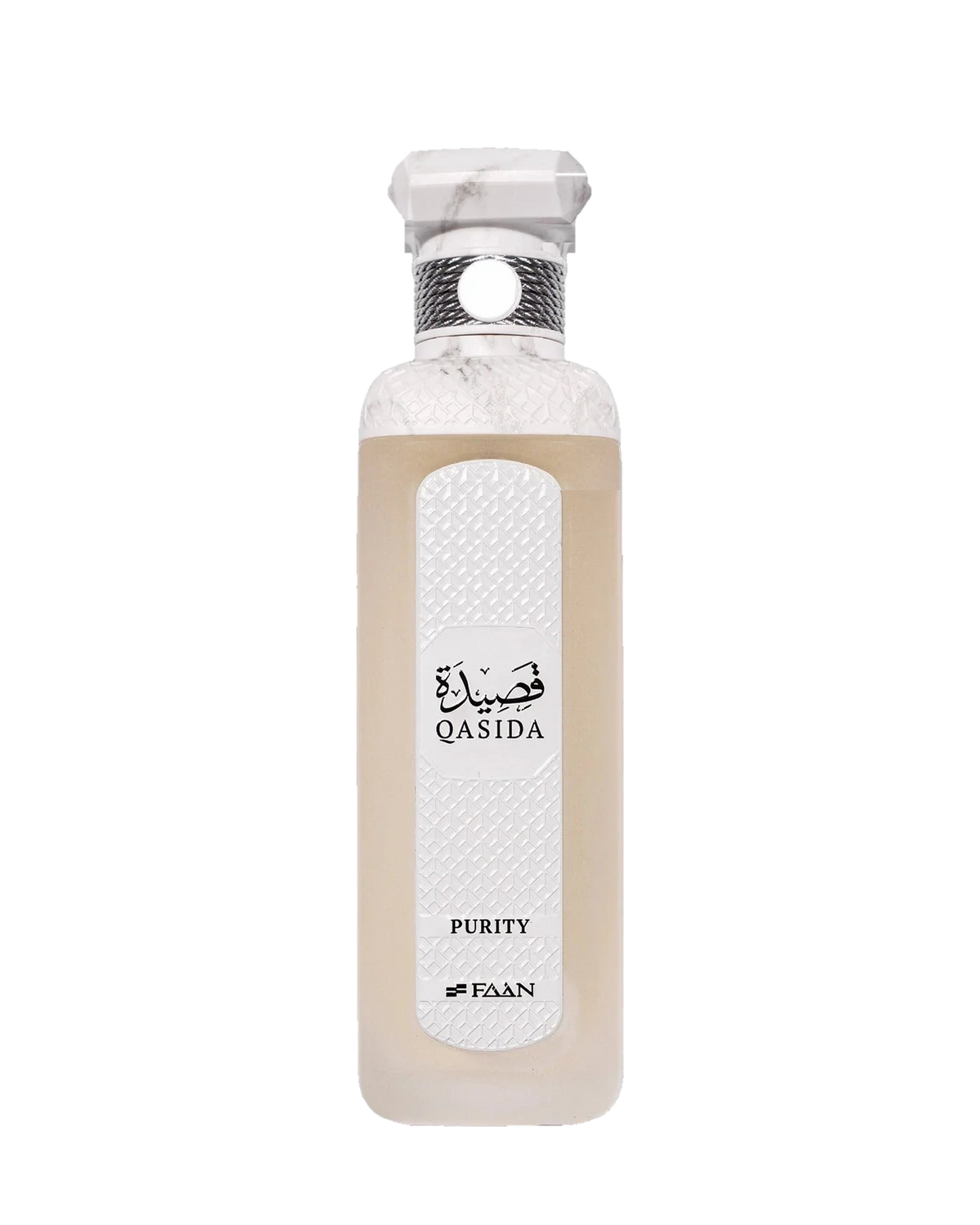
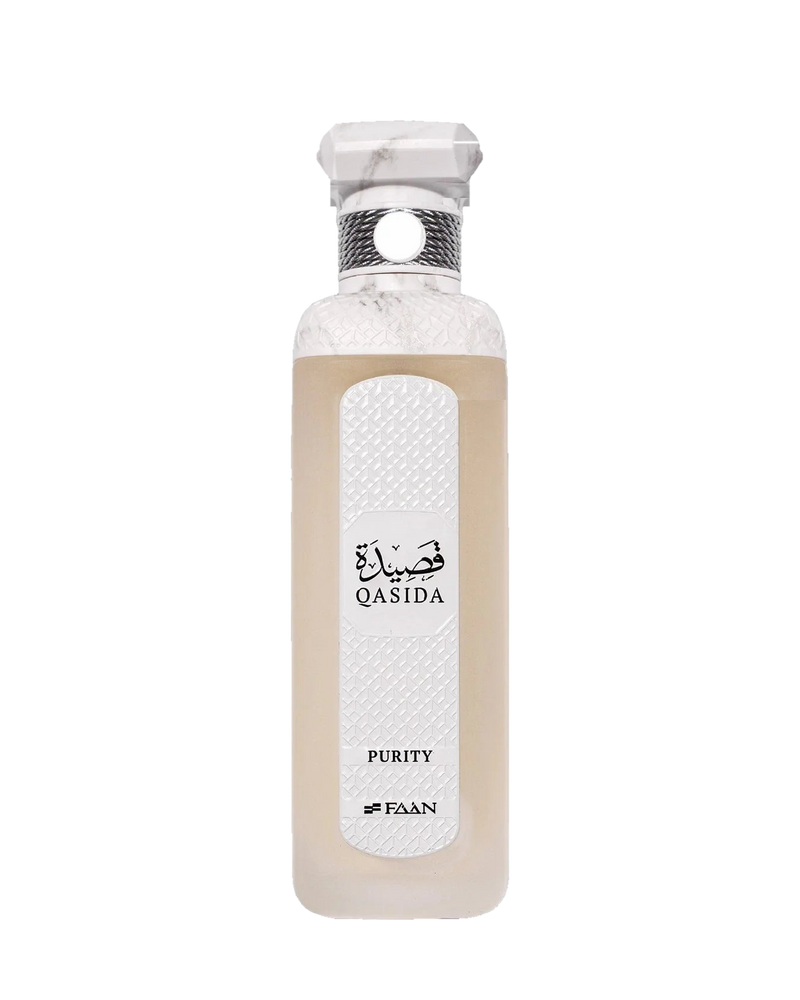
- Qasida Purity is creamy and musky: white flowers, pear and milk, with cashmere musk and sandalwood milk.
- Qasida Sahm is fruity, aromatic and woody, ending in oud. The tagline says it: fruit first, dark oud last.
- Amjad Honour is resinous and smoky: frankincense, oud, amber, benzoin.
Reading the notes with these words in mind makes the pyramid come alive. A note list is a recipe. These words describe the dish.
Writing your own scent notes
Use a three-line template and write it after one hour, not in the first minute:
- Opens with: (two words).
- Then: (two words).
- Ends as: (two words).
For example, a note for Purity might read: opens with juicy pear and lily, then creamy jasmine, ends as soft musky milk. Keep your notes in your phone. After a few bottles you will see which words keep appearing, and those are your taste.
Using words to shop
Once you have your favourite words, you can use them against the accord line on a product page, which is a short list of similar terms. Our guide to accords in perfume shows how. The notes map shows where each note sits, and the full range gives you every bottle to compare. If you like powdery and woody, look at the dry bottles. If you like gourmand and creamy, look at the sweet ones.
Try a small exercise with three accord lines from our pages: Qasida Al-Badr (aromatic, spicy, woody), Qasida Purity (floral, fruity, creamy, musky) and Amjad Honour (amber, woody, spicy, resinous). Read them, then ask which one you would reach for on a grey Monday and which on a Saturday night. Write one sentence for each in your own words. The sentences are a better shopping list than any score, because they tell you what you actually enjoy.
FAQ
What is the difference between creamy and gourmand?
Creamy is smooth and milky. Gourmand is edible and sweet, like dessert.
How do I describe a perfume I like?
Use three lines: how it opens, what comes next and how it ends, each in two words.
Do I need to learn note names?
Not many. Twelve texture words and ten to fifteen note names are enough to shop well.
Related reading
Journal
From the journal
How to describe a smell: a perfume vocabulary that actually helps
Smell is hard to put into words. Twelve plain words, each with a FAAN example, plus a simple template for your own scent notes.
Read article →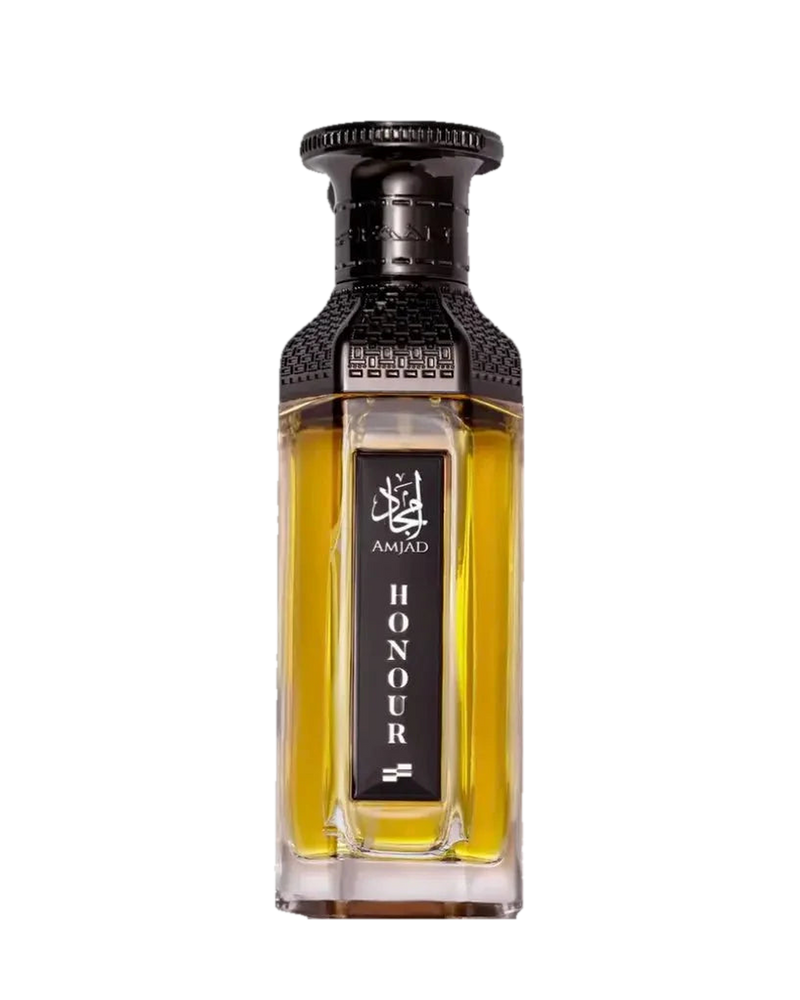
Perfume concentration percentages: what 15 and 25 percent mean in practice
Eau de Parfum is usually around 15 to 20 percent oil and Extrait 20 to 30 or more. We explain why the numbers vary and what they change in practice.
Read article →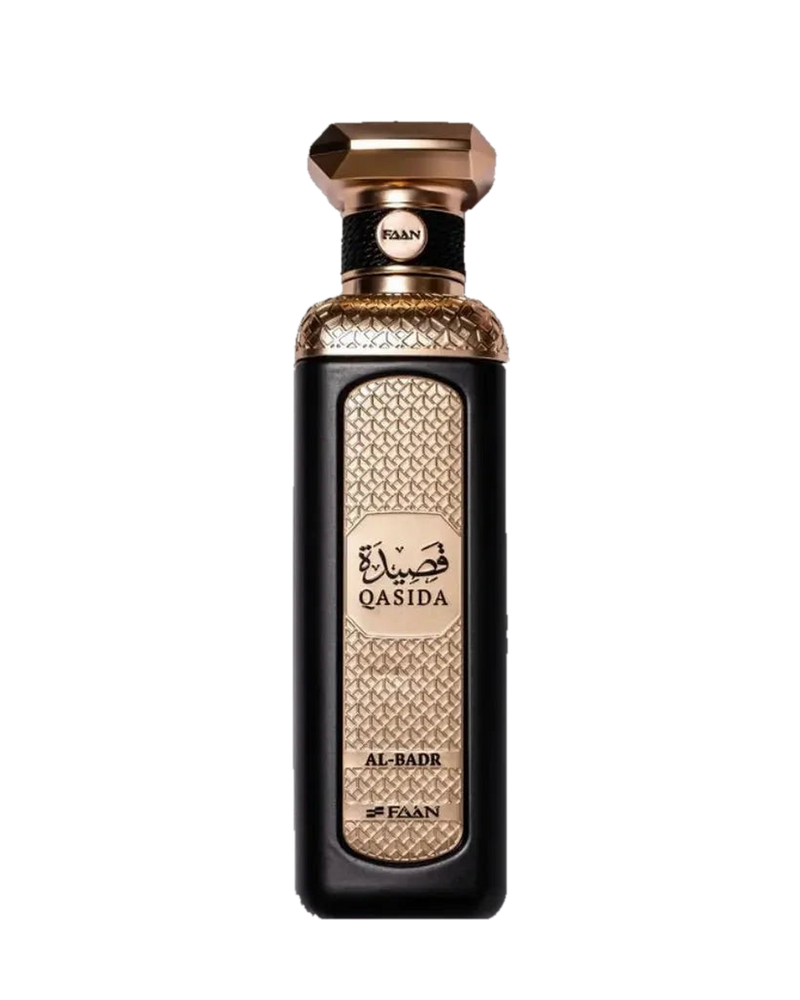
How to tell if a perfume has gone off, and how to keep it fresh
Perfume ages slowly. Here are the signs it has turned, how long a bottle usually lasts, what shortens it, and how to look after a 200 ml bottle.
Read article →