
· By Faan Perfumes
Orange blossom in perfume: what it smells like and which FAAN bottles use it

Quick answer: Orange blossom perfume notes smell sweet and honeyed, with a green, slightly bitter edge like orange peel. It is a white flower and mostly sits in the heart. Four FAAN bottles list it: Qasida Signature, Amjad Coral, Amjad Honour and Qasida Queen, which lists it twice. If you like orange blossom, start with Amjad Coral.
Orange blossom is a gentle note that shows up in very different perfumes. It can make a fresh scent feel soft and a dark scent feel warm. Here is what it smells like, and how four bottles use it.
What orange blossom smells like, and what it does not
Orange blossom smells of the flower of the orange tree: sweet, a bit honeyed, clean, with a green-citrus bitterness at the edge. It is lighter than jasmine and less heavy than tuberose. Neroli, which perfumers also use, comes from a close relative of the same tree and has a similar character.
It does not smell like an orange. The fruit is juicy and sharp. The blossom is soft, floral and a little soapy. It is also not a loud flower. It tends to blend into the notes around it instead of standing out, which is exactly why it is useful.
How perfumers use orange blossom: top, heart or base
Most often orange blossom is a heart note: it sits between the citrus opening and the woody or resinous base and joins them. It can also work at the top, where it gives a sunny, floral start. It is not a base note. It does not have the weight.
Orange blossom in the FAAN range
Four bottles list orange blossom:
- Qasida Signature, heart: with coconut and guaiacwood. Warm and gourmand, autumn and winter.
- Amjad Coral, heart: with Georgywood. Fresh and woody, spring and summer.
- Amjad Honour, heart: with patchouli, rose, saffron and geranium. Resinous and spicy, autumn and winter.
- Qasida Queen, top and heart: in the top with cherry, clove and pink pepper, and in the heart with jasmine and cashmeran. Dark and sweet, autumn and winter.
Queen is the only one that lists it twice, once at the start and once in the middle.
What orange blossom is paired with in these pyramids
- Coconut and guaiacwood (Signature) make a creamy, slightly smoky blossom.
- Georgywood (Coral) keeps it dry and clean, with pear and cedar around it.
- Patchouli, rose, saffron and geranium (Honour) turn it into a dark, spicy floral.
- Cherry, clove, jasmine and cashmeran (Queen) make it sweet, fruity and rich.
It is the same flower, and it plays a different part each time: a softener in Coral, a bridge in Honour, a sweetener in Signature and Queen.
Wearing advice: season, sprays and who tends to like it
Coral is the one for warm weather and the office. Signature, Honour and Queen are cold-weather bottles: Signature for evenings and special occasions, Honour for evenings and special occasions, Queen for date nights. Honour is an Extrait, so two or three sprays is plenty. The others take three or four.
People who like soft, clean florals tend to like orange blossom. If you find white flowers too heavy, Coral and Honour are the safer ones, because the flower is balanced by wood or resin.
If you like orange blossom, start with Amjad Coral
Coral is one of our best sellers, and in it orange blossom is the only flower. Read the Amjad Coral review for the full walk. For a warmer take, the Qasida Signature review shows how the blossom sits with coconut and praline. Rose in perfume covers the neighbouring flower in Honour. To see the whole range, open all FAAN perfumes or read which FAAN perfume to choose.
FAQ
Is orange blossom neroli?
They are close relatives. Both come from the blossom of the orange tree family and smell similar, but a notes list that says orange blossom means just that.
Is orange blossom very sweet?
It is sweet and honeyed, but with a green, slightly bitter edge. In Coral it reads clean. In Signature and Queen it reads sweeter.
What if a bottle is sold out?
Ask to be notified on the product page. Orders take 3 to 6 working days in the Netherlands and 5 to 8 working days in the rest of the EU.
Related reading
Journal
From the journal
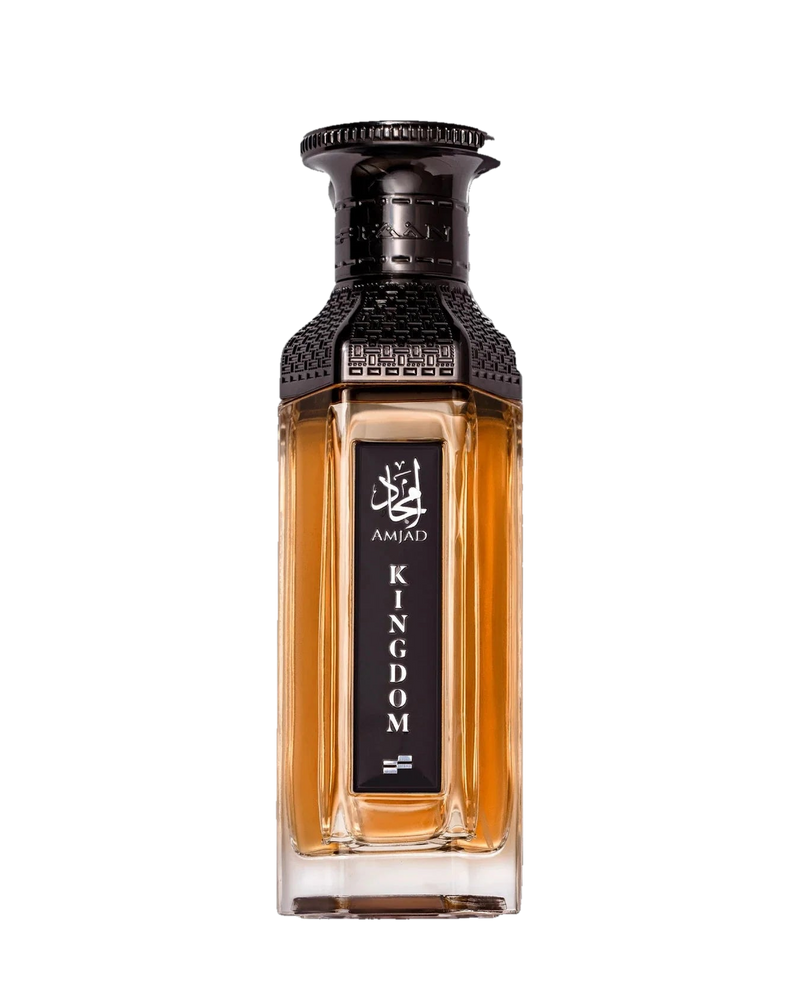
Layering FAAN Amjad Kingdom with FAAN Amjad Mystery: powder and nut over amber
How to layer FAAN Amjad Kingdom and FAAN Amjad Mystery: what each brings, the order and number of sprays, what you smell at one hour and at six, an...
Read article →
Returns and refunds for perfume orders: what to know before you buy
How returns and refunds work for FAAN perfume orders at Faan Perfumes: the 14-day right to withdraw, why the seal matters, how to start a return, w...
Read article →
Perfume delivery to France: Mondial Relay, GLS and DHL options
How to get FAAN perfume delivered in France: three shipping options (Mondial Relay pickup at 8.40, GLS or FedEx home delivery at 9.99, DHL France a...
Read article →