
· By Faan Perfumes
What do Qasida and Amjad mean?
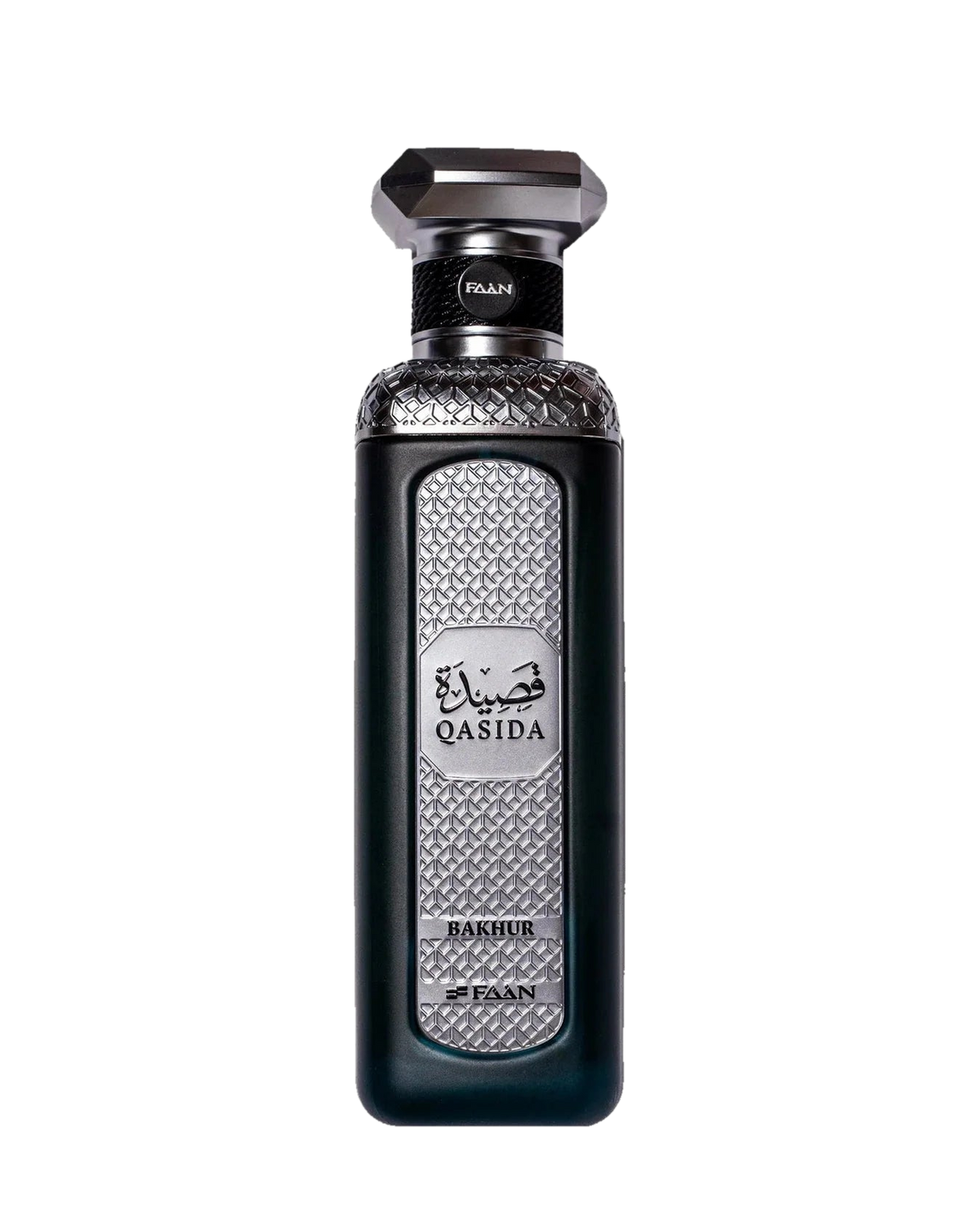
Two Arabic words run through the FAAN range. Qasida names the first line. Amjad names the second. Both are old words with a lot of weight, and knowing them makes the bottles easier to read.
Below is what each word means, why a perfume would carry that name, and how the meaning shows up in the scents. We are an independent retailer of FAAN fragrances, so we stick to the meaning of the words and the notes on the product pages. We do not guess at what the makers intended.
What does Qasida mean?
A qasida is a classical Arabic ode. It is a long poem with a strict structure, with every line ending on the same rhyme. Qasidas were recited aloud, often to praise a person, mourn a loss or celebrate a place. The form is more than a thousand years old and is still written today.
In perfume, Qasida suggests a scent that tells a story from start to finish: an opening line, a long middle, and an ending you remember.
How the idea fits a perfume
A good perfume also moves in three steps. Top notes open it. Heart notes carry it. Base notes stay on your skin for hours. A qasida has the same shape: an introduction, a body and a final verse. That is why the line works well as a name. For example, FAAN Qasida Signature opens on bergamot and cinnamon, moves to orange blossom and coconut, and closes on praline, vanilla and amber. You can follow it like a poem.
What does Amjad mean?
Amjad comes from the Arabic root for glory, honour and nobility. It is both a word and a given name. The form carries the sense of the most glorious, the most honoured.
The line names fit that. FAAN Amjad Honour, Amjad Kingdom and Amjad Status all sit in the same family of words: honour, rule, standing. Even the softer names, Coral and Mystery, keep the tone of something precious.
How the idea fits a perfume
Glory is a heavy idea, and the Amjad bottles are heavy in the right way. They use resin, amber, ambergris and oud, materials that have been tied to ceremony and status for centuries. Frankincense and oud are burned in Arabic homes to welcome guests. You will find both in Honour.
Other words in the range
The individual bottle names are Arabic too. We give plain translations where we know them. Please treat the following as general meaning of the words, not as statements from the brand.
- Bakhour: from bakhoor, incense chips burned on charcoal. See Qasida Bakhour.
- Bidaya: beginning. See Qasida Bidaya.
- Al-Badr: the full moon. See Qasida Al-Badr.
- Sahm: an arrow. See Qasida Sahm.
The rest, such as Dunes, Queen, Purity, Senses, Coral and Mystery, are English words.
Which line should you start with?
Choose the line that matches the mood, not the word. Qasida is wider. It runs from the pale, milky Qasida Purity to the dry, peppery Qasida Dunes. Amjad is narrower and denser. Our two line guides, the Qasida guide and the Amjad guide, go through every bottle. You can also browse the Qasida collection and the Amjad collection directly.
Read a perfume like a poem
The poem idea is not just marketing. It gives you a way to test a bottle. Do it in three steps.
- The first minute. This is the opening line. It is the loudest part and it fades fast. Do not judge the whole scent here.
- Minutes 15 to 60. This is the body. The heart notes show up: flowers, spice, resin. Ask yourself if you still like it.
- Hours 3 to 8. This is the last verse. Smell your wrist or your sleeve. The base notes, such as vanilla, amber, wood and musk, are what other people will smell on you late in the day.
A bottle that works at all three stages is a good buy. A bottle that you only like in the first minute usually disappoints later. That is why we list the full note pyramid on every product page. Top, heart and base each get their own line.
Why the names are Arabic
The names point to the Arabic perfume tradition, where scent has long been part of hospitality, clothing and ceremony. Dark woods, resins, incense and sweet amber are common there. That is the palette you smell in both lines. Western perfumery uses many of the same raw materials, but Arabic-style perfumes tend to use them in higher doses and to stack them thickly, which is why 200 ml bottles of Eau de Parfum and Extrait feel so generous.
How to say them
Qasida is said "kah-SEE-dah", with the stress on the middle. Amjad is said "AM-jad", with a short first syllable. Nobody will correct you if you get it slightly wrong.
FAQ
What does Qasida mean in English?
Ode. A classical Arabic poem with a fixed structure and rhyme.
What does Amjad mean?
Glory or honour. It is also a common Arabic given name.
Is Qasida a perfume brand?
Here it is the name of one of two FAAN lines. The other is Amjad.
Are Qasida and Amjad sold as sets?
No. Each bottle is sold on its own, in 200 ml.
Related reading
- FAAN Qasida perfumes: all nine bottles explained
- FAAN Amjad perfumes: the five Extraits explained
- Which FAAN perfume to choose: a simple guide
Ready to choose? Browse all fourteen FAAN perfumes.
Journal
From the journal
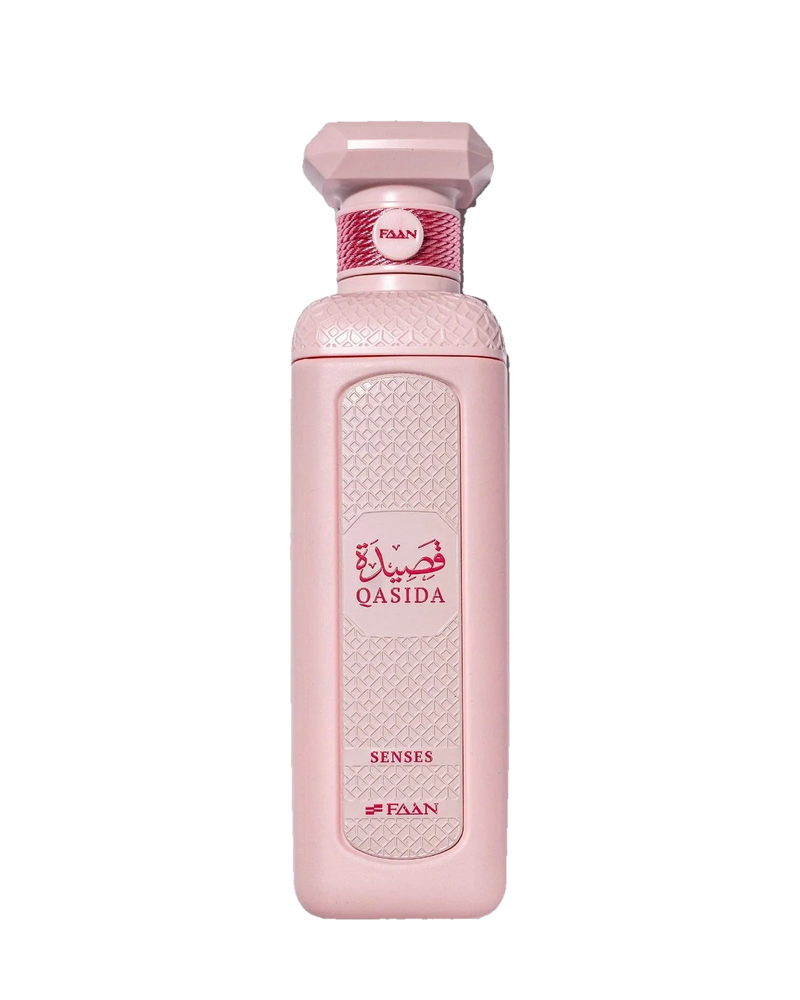
FAAN perfume gift guide
Safe picks, bold picks and what to avoid when you give a bottle of FAAN.
Read article →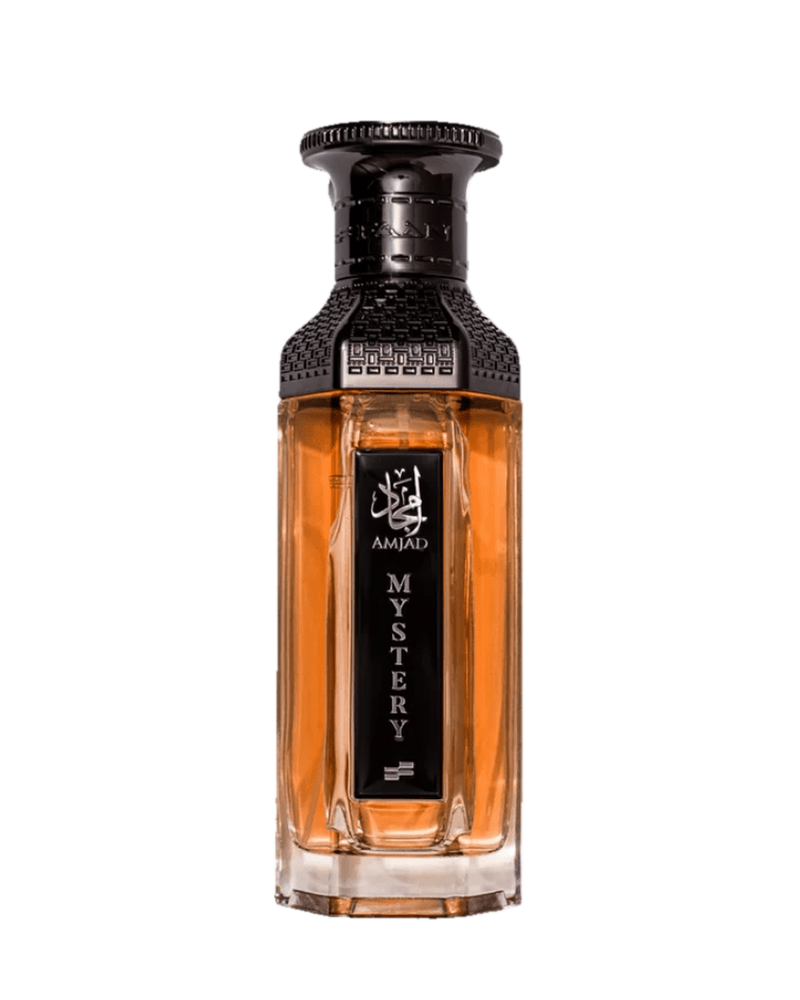
How long do FAAN perfumes last?
Every bottle by longevity rating, why some last longer, and how to get more from yours.
Read article →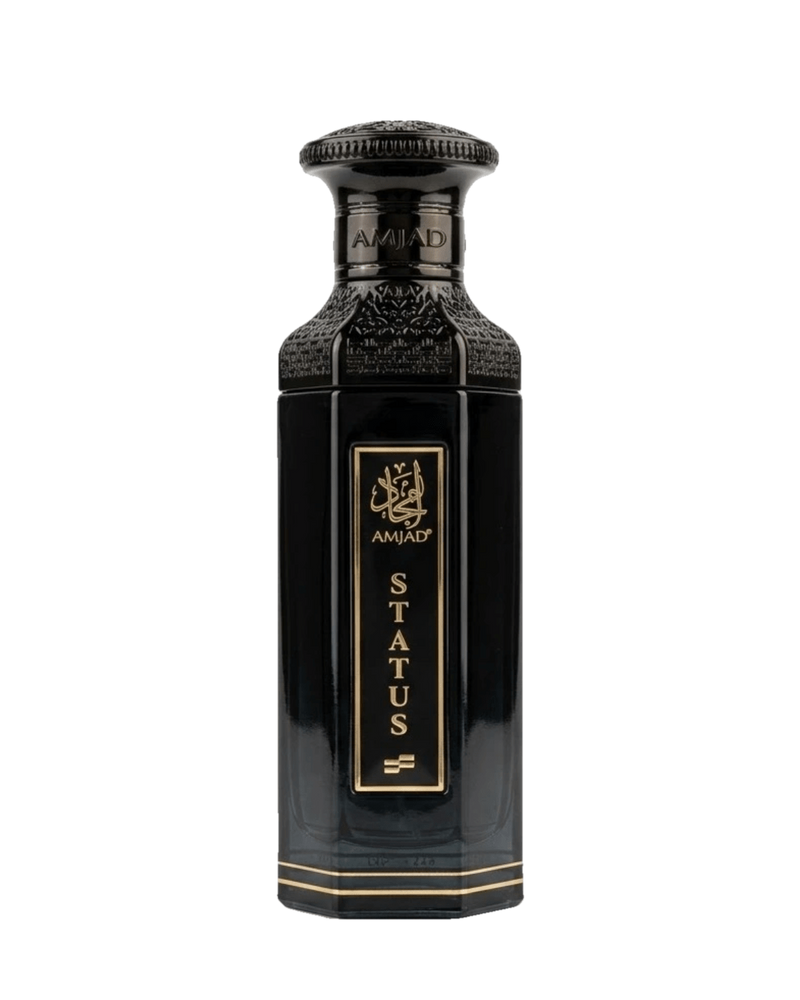
How to wear and store a 200 ml perfume
A big bottle needs a little care. Sprays, spots, storage and common mistakes.
Read article →